Pregnancy symptoms can include a missed period, nausea, breast tenderness, tiredness, frequent urination and changes in appetite. However, these signs can also occur for other reasons and do not confirm pregnancy on their own.
The most reliable way to know if you are pregnant is to take a pregnancy test at the appropriate time. If your test comes back positive, seeking expert pregnancy care early on can help ensure both you and your baby stay healthy throughout the term. This guide explains the first signs of pregnancy, when symptoms may begin, and when a patient should seek medical advice.
When Do Pregnancy Symptoms Start?
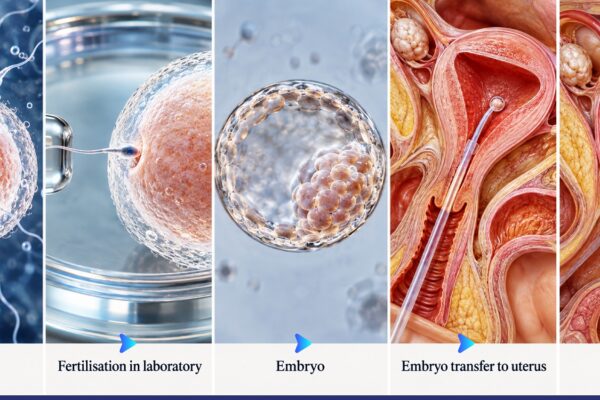
Pregnancy symptoms do not necessarily appear immediately after conception. After fertilisation, it typically takes several days for the fertilised egg to travel to the uterus and complete implantation, which is often when early hormonal changes begin. Once implantation occurs, the body starts producing human chorionic gonadotropin, the pregnancy hormone responsible for many early symptoms.
Because implantation timing varies, so does the onset of symptoms. Some patients notice subtle changes before a missed period, while others do not experience any noticeable symptoms until weeks later. This difference is largely due to variations in each patient’s menstrual cycle, hormone sensitivity and how the body responds to early pregnancy changes. There is no single timeline that applies to everyone, which is why relying on symptoms alone is not a reliable way to confirm pregnancy.

Pregnancy Symptoms Before a Missed Period
In the days following ovulation and possible fertilisation, some patients report mild changes such as light spotting, cramping, breast tenderness or fatigue. These early signs are linked to rising hormone levels but can be difficult to distinguish from PMS, since both share overlapping symptoms. Noticing these changes does not confirm pregnancy on its own.
Pregnancy Symptoms After a Missed Period
A missed period is often one of the clearer indicators that pregnancy may have occurred, as it suggests the menstrual cycle has been disrupted by hormonal changes following implantation. At this stage, symptoms may become more noticeable. However, the most accurate way to confirm pregnancy is through appropriate pregnancy testing rather than relying on symptoms alone, since a missed period can also result from stress, illness or other factors.
How Can You Know If You Are Pregnant? Symptoms vs Pregnancy Test
Knowing how to know if you are pregnant starts with understanding the difference between symptoms and confirmed diagnosis. Signs of pregnancy such as a missed period, nausea or fatigue can raise suspicion, but they are not proof on their own, as several conditions can produce similar effects. A home pregnancy test offers a more direct answer by checking for a specific hormone in the body.
A urine pregnancy test works by detecting human chorionic gonadotropin (hCG) in the urine. This hormone is produced shortly after implantation, and its level rises steadily in early pregnancy. Most home tests are designed to pick up hCG once it reaches a measurable concentration, which is why test timing matters.
Testing too early can produce a false negative even when pregnancy is present, simply because hCG levels haven’t yet risen high enough to be detected. This is a common reason patients feel confused after receiving a negative result despite having symptoms.
Real Data Point/Stat
According to a clinical review published in Human Reproduction, most modern pregnancy test kits with a sensitivity of 25 IU/L can detect hCG in urine approximately 3–4 days after implantation, and by the time of the expected period, around 98% of pregnancies will test positive.
| Possible sign | What it may indicate |
| Missed period | Possible pregnancy or menstrual-cycle variation |
| Nausea | Can occur during early pregnancy but is not specific |
| Breast tenderness | May occur due to hormonal changes |
| Fatigue | Can occur in pregnancy and other conditions |
| Positive pregnancy test | Indicates hCG has been detected and needs appropriate interpretation |
A negative test doesn’t always mean the answer is “no.” If symptoms continue, repeat the test after a few days, as hCG levels usually rise during early pregnancy and may become easier to detect. For earlier or more accurate confirmation, a blood pregnancy test (serum beta-hCG) may be recommended especially when symptoms and test results don’t seem to match.
A Real-World Example
A woman may experience symptoms such as fatigue or breast tenderness in early pregnancy, but these symptoms alone cannot confirm pregnancy. If a period is missed, a urine pregnancy test can be used to check for pregnancy. MoHFW National Guidelines
What Other Symptoms Can Occur During Early Pregnancy?
Pregnancy symptoms vary widely, and not everyone experiences the same combination. Beyond the commonly known signs, some patients notice mild cramping linked to uterine changes, along with bloating caused by hormonal fluctuations involving progesterone and oestrogen. Increased vaginal discharge, heightened smell sensitivity, mood changes and shifting appetite are also reported during early pregnancy. These symptoms can overlap with premenstrual changes or other conditions, so no single symptom should be treated as proof of pregnancy. A pregnancy test remains the reliable way to confirm it.
When Should a Patient Seek Medical Advice for Pregnancy Symptoms?
Not all early pregnancy symptoms are harmless, and some signs of pregnancy deserve immediate attention rather than a wait-and-watch approach. Severe abdominal or pelvic pain, heavy vaginal bleeding, fainting or significant dizziness can signal complications such as an ectopic pregnancy, and shouldn’t be brushed off as routine. Self-diagnosing unusual symptoms can delay proper medical assessment when timing matters most. If you’ve had a positive pregnancy test, the safest next step is seeking early pregnancy care through a qualified healthcare professional — not guesswork.

Pregnancy Symptoms: When to Consider Testing
Once you’ve noticed possible signs, the next practical step is choosing the right way to confirm it. Here’s how patients across India typically approach testing:
- Home urine pregnancy test: The standard first step for most patients wondering how to know if you are pregnant. Widely available, affordable and generally reliable when used at the correct time — usually a few days after a missed period, in line with when pregnancy symptoms start for most patients.
- Laboratory blood testing (serum beta-hCG): Recommended in certain clinical situations, such as when home test results are unclear, when there’s a history of complications, or when an earlier, more precise pregnancy confirmation is needed as part of a broader obstetric assessment.
Testing availability and consultation options can also vary by city. In Hyderabad, for instance, patients have access to diagnostic laboratory networks and reproductive healthcare centres offering both urine and blood-based pregnancy testing. If symptoms are persistent, unusual, or don’t align with test results, consulting a gynaecologist or fertility specialist rather than relying on symptoms alone is the more reliable path forward, regardless of which Indian city you’re in.
FAQ
Q1: How Does the Stomach Feel if Pregnant?
In early pregnancy, the stomach may feel slightly bloated, full, or mildly crampy, similar to the feeling before a period. Some people notice gentle pulling or pressure in the lower abdomen, while others feel no noticeable changes. These sensations alone cannot confirm pregnancy because PMS and digestive issues can cause similar symptoms.
Q2: When does the abdomen start to feel different during pregnancy?
Abdominal sensations can change during the first trimester, but the timing varies widely. Early changes are more commonly related to bloating, digestion, and hormonal changes than to the physical growth of the uterus. A visible pregnancy bump usually develops later in pregnancy.
Q3: How can you tell the difference between pregnancy cramps and period cramps?
Early pregnancy cramps and menstrual cramps can feel similar, so the sensation alone cannot reliably distinguish between them. Pregnancy may also involve other signs, such as a missed period, breast tenderness, fatigue, or nausea. If pregnancy is possible, taking a pregnancy test can provide a more reliable indication.
Q4: Are pregnancy symptoms different after IVF treatment?
Pregnancy symptoms after IVF can be similar to those experienced after natural conception, including tiredness, breast tenderness and nausea. However, fertility medicines can sometimes cause similar symptoms, making it difficult to judge pregnancy based on feelings alone. Patients undergoing IVF should follow their fertility team’s recommended schedule for pregnancy testing and follow-up.
Q5: When should I see a doctor for early pregnancy symptoms in India?
A patient should seek medical advice if pregnancy is suspected and there is severe abdominal or pelvic pain, heavy vaginal bleeding, fainting or significant dizziness. These symptoms need prompt assessment. For routine confirmation, a gynaecologist can advise on pregnancy testing, early pregnancy care and any further investigations required based on the patient’s circumstances.
Q6: What are the first signs of pregnancy after conception?
Early signs may include a missed period, breast changes, tiredness, nausea, mild cramping and increased urination. However, symptoms differ between patients, and some may have no noticeable symptoms initially. Pregnancy cannot be confirmed from symptoms alone, so an appropriately timed pregnancy test is the best way to check.
Q7: When should I take a pregnancy test after early symptoms?
A pregnancy test is generally more reliable around the time your period is due or after a missed period. Testing very early may give a negative result because pregnancy hormone levels may not yet be high enough to detect. If your period remains absent, follow the test instructions and consider repeat testing or medical advice.
Conclusion
- Pregnancy symptoms such as a missed period, nausea, breast changes and fatigue can suggest pregnancy, but they are not definitive on their own.
- An appropriately timed pregnancy test provides a more reliable way to confirm pregnancy.
- Patients with concerning symptoms or questions about their results should seek individual medical advice.
Concerned about possible pregnancy symptoms? Book a consultation with our specialists, qualified healthcare professionals, to discuss your symptoms, testing options, and next steps.

Dr Loukya
Dr Loukya specializes in fertility care, reproductive medicine and minimally invasive gynaecological surgery. She works with couples to understand their fertility concerns, review previous treatment history and create an individualized treatment plan. Her approach focuses on clear explanations, appropriate evaluation and continued guidance throughout treatment.